
Treatment category · 2 treatments · Non-surgical · No injections
Energy-Based ED Treatments,
explained honestly
Non-surgical therapies using acoustic wave and radiofrequency energy to stimulate tissue response, improve blood flow, and support erectile function — without injections, surgery, or significant downtime.
Energy-based treatments are the only category on PhallusMD where no injections or foreign materials are involved. Shockwave therapy has the most published clinical evidence of any non-surgical ED treatment on this site. Apex RF is an emerging option with more limited published data.
Overview
What are energy-based treatments?
How they work
Energy-based treatments use acoustic waves or radiofrequency energy. They stimulate a biological response in penile tissue below the surface. Nothing is injected and nothing is introduced into the body — the energy itself triggers the response.
Shockwave therapy uses acoustic waves specifically. These waves create controlled microtrauma in penile tissue. That microtrauma stimulates the body’s natural repair process, promotes new blood vessel formation, and improves vascular health over time.
Who considers this category
These treatments are most often considered for men experiencing:
Mild to moderate erectile dysfunction
Reduced penile blood flow or vascular ED
Decreased erection firmness or quality
Poor or declining response to oral ED medications
Age-related changes in sexual performance
Men seeking non-invasive options before considering injections
Shockwave therapy (LiSWT) has the most clinical evidence of any non-surgical ED treatment on this site. Multiple randomized controlled trials support it. However, major guideline bodies disagree on how ready it is for routine use. The European Association of Urology (EAU) guideline lists LiSWT as an option for men with mild organic ED, or for those who respond poorly to PDE5 inhibitors, but labels this a “weak strength” recommendation. The American Urological Association (AUA), by contrast, classifies shockwave therapy for ED as investigational (Grade C evidence) and generally recommends it be pursued within research protocols rather than as routine paid care.
Results vary by patient and protocol. Published trials report modest average improvements rather than dramatic ones.
Apex RF, by contrast, is less studied at guideline level. Most of the evidence supporting RF for sexual health comes from smaller studies and clinical experience, not large randomized trials.
Current evidence does not support shockwave therapy for reducing penile curvature in Peyronie’s disease, despite some marketing claims. Energy-based treatments are also not effective for all causes of ED — proper diagnosis of the underlying cause is essential before choosing any therapy.
Treatments in this category
Two energy-based options
Click either card to read the full treatment page — mechanism, evidence, protocol, and what to expect.
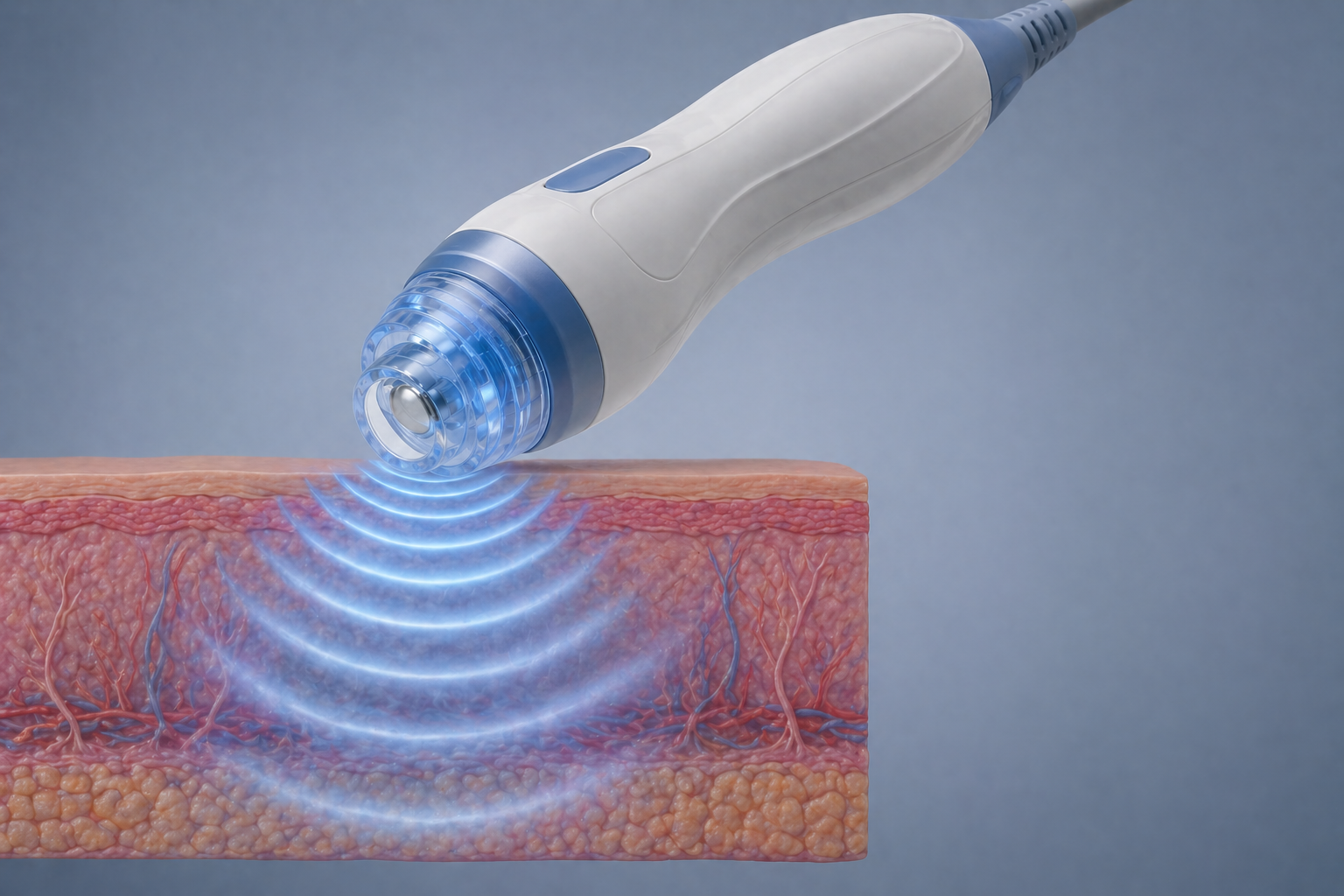
Shockwave Therapy (LiSWT)
Low-intensity extracorporeal shockwave therapy uses acoustic waves to stimulate new blood vessel formation and improve vascular health in penile tissue. The most clinically studied non-surgical ED treatment available.
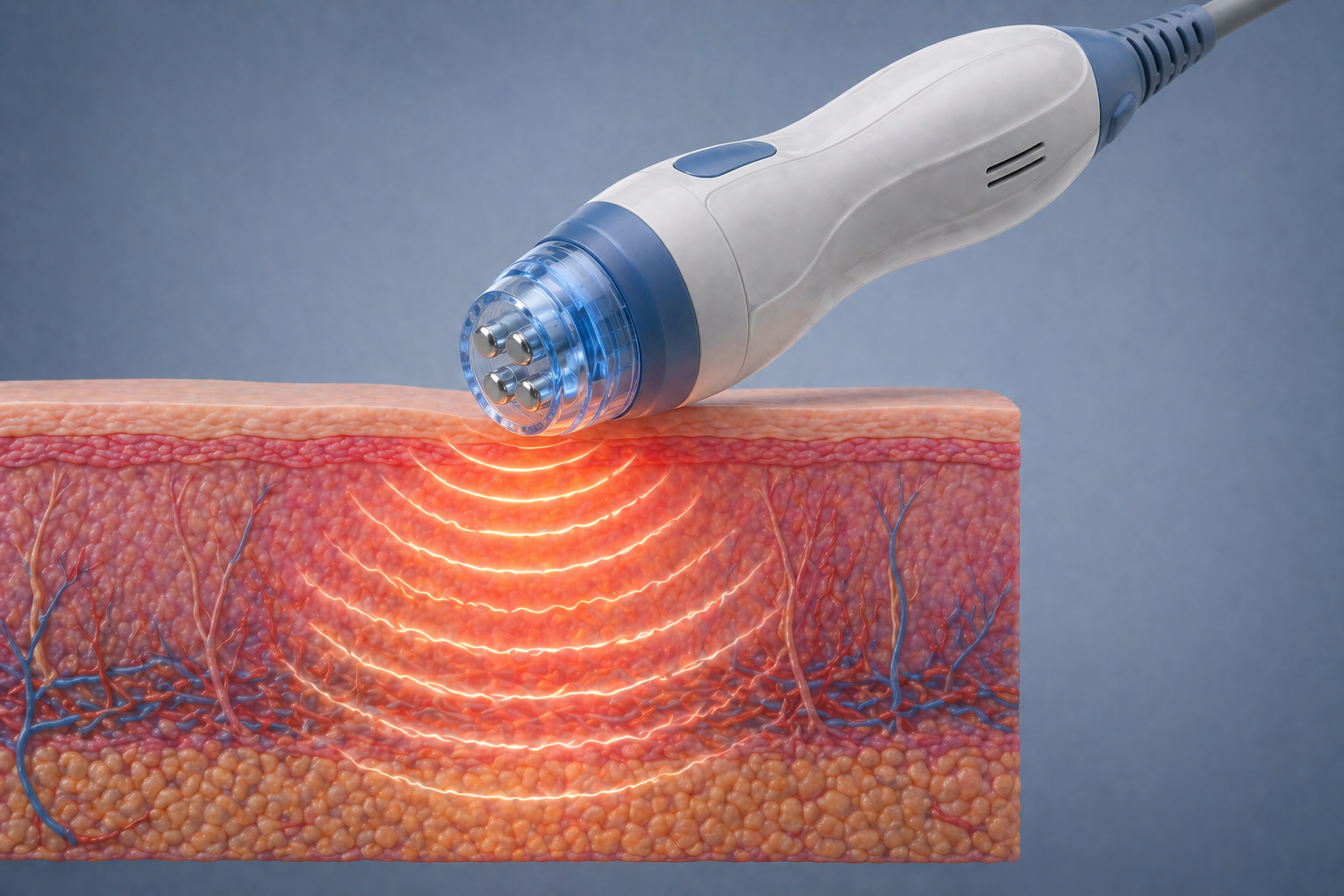
Apex RF™
Radiofrequency-based treatment using controlled thermal energy to support tissue remodeling, circulation, and penile tissue responsiveness. Less studied than shockwave at guideline level — emerging clinical interest.
How they compare
Shockwave vs. Apex RF vs. other approaches
Understanding where energy-based treatments fit relative to other options helps clarify when they are most appropriate.
| Feature | Shockwave (LiSWT) | Apex RF™ | PRP (P-Shot®) | ED Medications |
|---|---|---|---|---|
| Mechanism | Acoustic wave — vascular repair | Radiofrequency — thermal tissue remodeling | Growth factor delivery | Temporary blood flow increase |
| Invasiveness | Non-invasive — no injections | Non-invasive — no injections | Injection-based | Oral or injectable |
| Evidence in ED | Strongest non-surgical evidence | Emerging — less studied | Moderate — investigational | Established first-line treatment |
| Guideline recognition | EAU — weak-strength recommendation for mild ED / PDE5I poor-responders | Not yet guideline-level | Investigational | First-line ED treatment |
| Addresses root cause? | Yes — vascular repair | Potentially — tissue remodeling | Partially — regenerative | No — symptom management |
| Downtime | None | None | Minimal | None |
| Sessions required | Typically 6–12 sessions | Protocol varies by provider | 1–2 injections, periodic maintenance | As needed |
Combination approaches
Energy-based treatments combined with other therapies
Some providers combine energy-based treatments with regenerative therapies. Together they form part of a comprehensive men’s sexual health plan. This is an emerging area — not yet standard care, though clinical interest is growing.
The most commonly combined approach
Shockwave therapy primes the vascular environment. PRP then delivers growth factors to the same tissue. In theory, the two work together synergistically. Early studies suggest a potential improvement in erectile function scores beyond either treatment alone.
This combination is still considered emerging. More large-scale evidence is needed before it becomes standard protocol.
Common questions
Frequently asked questions
Are energy-based treatments FDA-approved for ED?
Most shockwave devices are FDA-cleared for musculoskeletal uses, but their use for erectile dysfunction is typically off-label in the US. Some devices have approvals outside the US specifically for ED. Apex RF devices may have separate FDA clearances. Use for ED is legal and common — but patients should understand it is off-label use in most cases.
How many shockwave sessions are needed?
Most shockwave protocols involve 6–12 sessions over several weeks, typically 2 sessions per week. Protocols vary between providers and devices. Some men see improvement after a full course; others require maintenance sessions. Your provider will recommend a protocol based on your response.
Can these treatments replace Viagra or Cialis?
Not necessarily — but for some men they may reduce reliance on medications or improve medication response. ED medications address symptoms temporarily. Shockwave therapy aims to address underlying vascular health. Some men use both — shockwave to work on root causes while continuing medication as needed during the treatment period.
Does shockwave therapy work for Peyronie’s disease?
No. Current evidence does not support shockwave therapy for reducing penile curvature in Peyronie’s disease, despite some marketing claims to the contrary. In some clinical settings, shockwave is used alongside other Peyronie’s treatments. Be cautious of any provider claiming it treats curvature on its own. Talk through realistic options with a urologist.
What is GAINSWave® and how does it differ from shockwave therapy?
GAINSWave® is a branded marketing protocol for acoustic wave therapy. It uses standard shockwave technology — the brand name doesn’t refer to a unique device or mechanism. Treatment under the GAINSWave® name relies on the same underlying acoustic wave technology as other shockwave treatments. What actually determines your results is device quality, protocol, and provider experience, not the brand name.
Is there downtime after shockwave or Apex RF?
No significant downtime. Both treatments are performed in-office and most men return to normal daily activity immediately. Some mild temporary sensitivity in the treated area is possible. Neither treatment requires recovery time the way injection-based or surgical procedures do.
Find an energy-based treatment provider
Search our directory of vetted physicians offering shockwave therapy and Apex RF — or join the forum to hear from men who have been through these treatments.
Key sources: EAU Guidelines on Sexual and Reproductive Health — Management of Erectile Dysfunction · Erectile Dysfunction: AUA Guideline (2018) · “Current guideline recommendations and analysis of evidence quality on low-intensity shockwave therapy for erectile dysfunction,” International Journal of Impotence Research
PhallusMD is an informational resource and does not provide medical advice, diagnosis, or treatment recommendations. Content is sourced from published clinical literature and guideline recommendations; it does not substitute for consultation with a licensed physician. Use of shockwave therapy and radiofrequency devices for ED is typically off-label in the US. Evidence assessments reflect published literature and guideline guidance as of 2026.